
Weatherproof vs. Weather-Resistant: What Furniture Labels Really Mean
TL;DR Weatherproof pieces, like Robinia and teak, can stay outside through every season with only an occasional cleaning. Weather-resistant pieces, like all-weather wicker and cushioned deep seating, are built for the outdoors and last longest with a cover or inside option for inclement weather. This guide explains what each label promises, where common materials fall, and how to care for both.

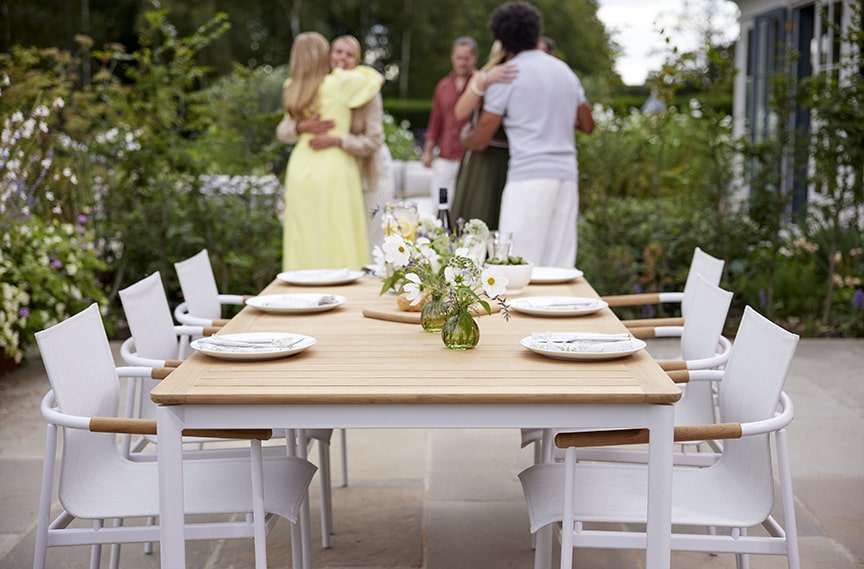
Anyone who's hosted dinner outside knows the moment when the first fat raindrops land. Quickly the cushions get scooped up and carried inside, and the whole party ends up laughing under the porch roof, while the teak table stays right where it was with the rain beading on its surface. That little scramble is the simplest way we know to explain weatherproof versus weather-resistant. Both are made for the outdoors, but one sits through the storm while the other would rather come inside for a while.
Weatherproof and weather-resistant sound close enough to swap, and plenty of product pages use them interchangeably. However, they actually describe two different relationships with the outdoors, and knowing which one you're buying tells you how a piece will live on your patio long after its first season.
What Weatherproof Means
A weatherproof piece is made from a material that rain and sun can't break down, even when it's left uncovered. It won't rot or warp, and it doesn't need to come inside for winter. You can leave it on the porch in December and find it waiting for you in spring.
Weatherproof doesn't mean unchanging, however. Natural hardwoods mellow as they age, and many owners love the soft silver they take on over time. What stays the same is the structure underneath.
What Weather-Resistant Means
Weather-resistant outdoor furniture is designed and built for life outside. It handles summer storms and long afternoons in the sun without complaint but it differs is in how it fares if it's left exposed through every season.
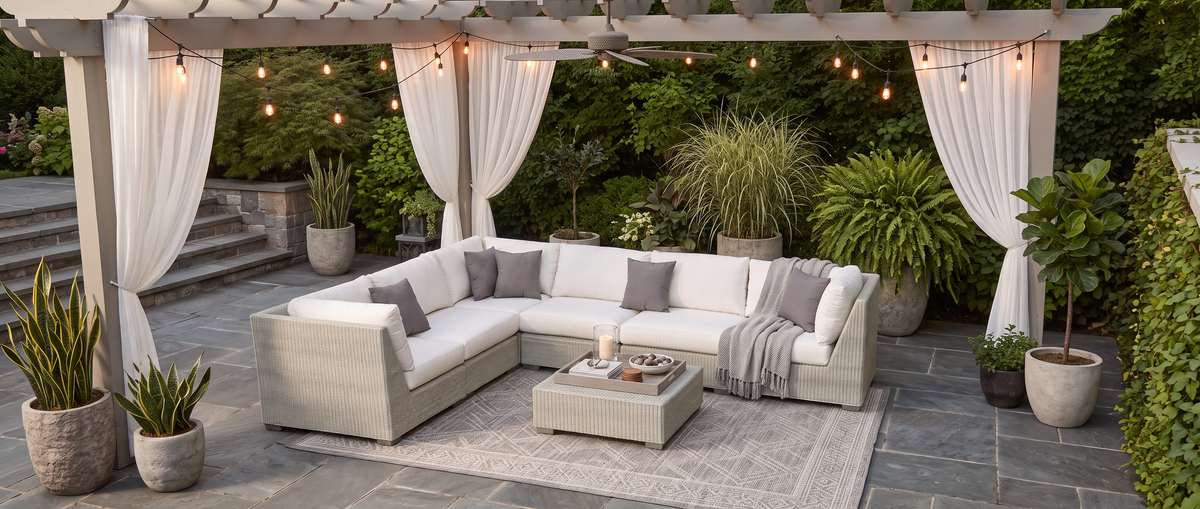
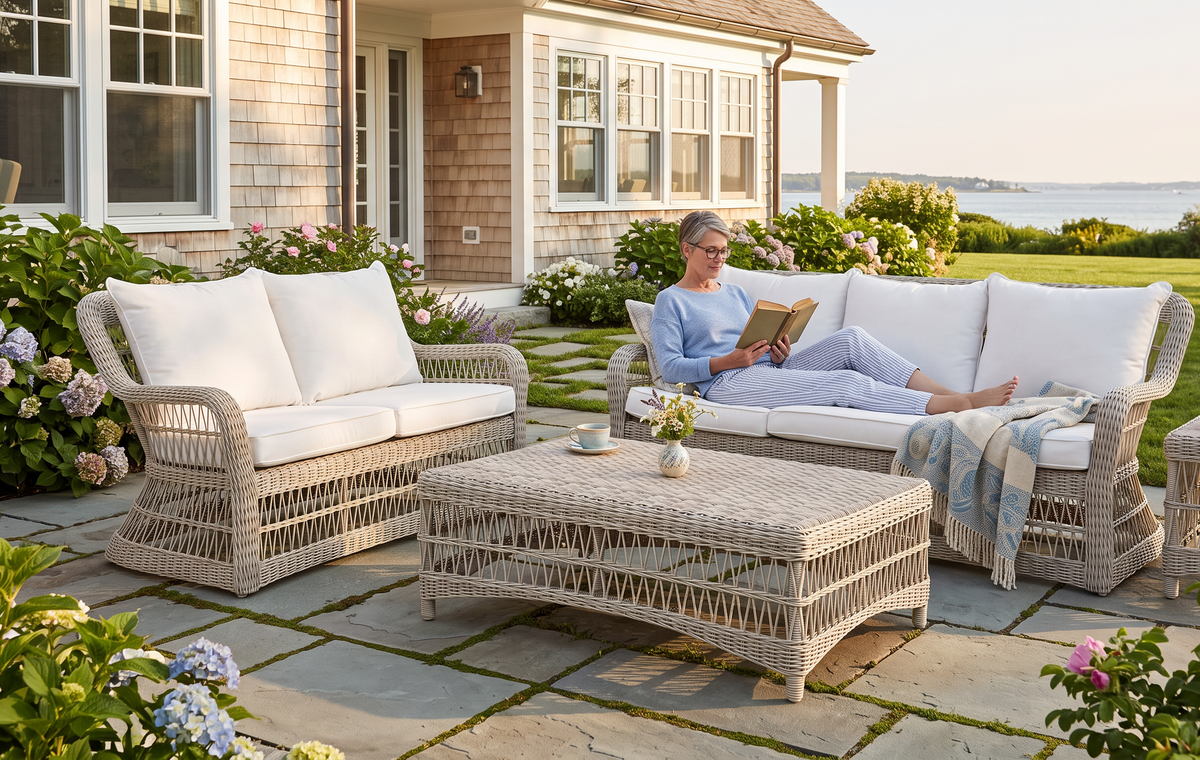
A cover through the wettest months or a spot in the garage during a hard winter is usually all it takes to keep these pieces beautiful for years to come. That small bit of care is worth it, because some of the most inviting pieces on any patio fall in this category, plush deep seating and woven loungers among them.

Where Common Materials Fall
Solid Robinia (weatherproof)
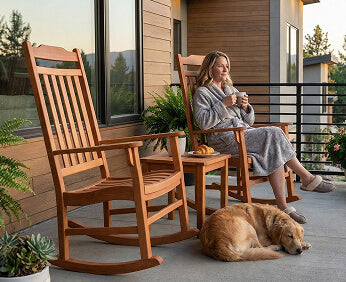
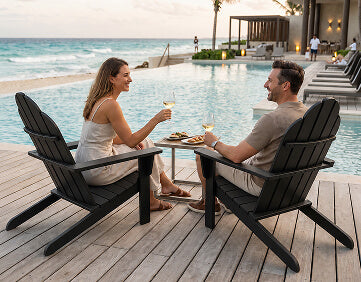
Robinia is the wood we chose for our own World's Finest collection, and weather is a big reason why. It's a dense temperate hardwood that naturally resists rot and insects with no chemical treatment at all. It rivals teak for durability, grows back quickly and doesn't come from a tropical forest. Our World's Finest Adirondack is built from solid, FSC-certified Robinia and is happiest left right where you placed it. We tell the full story in "The Best Wood for Outdoor Furniture."
Teak (weatherproof)
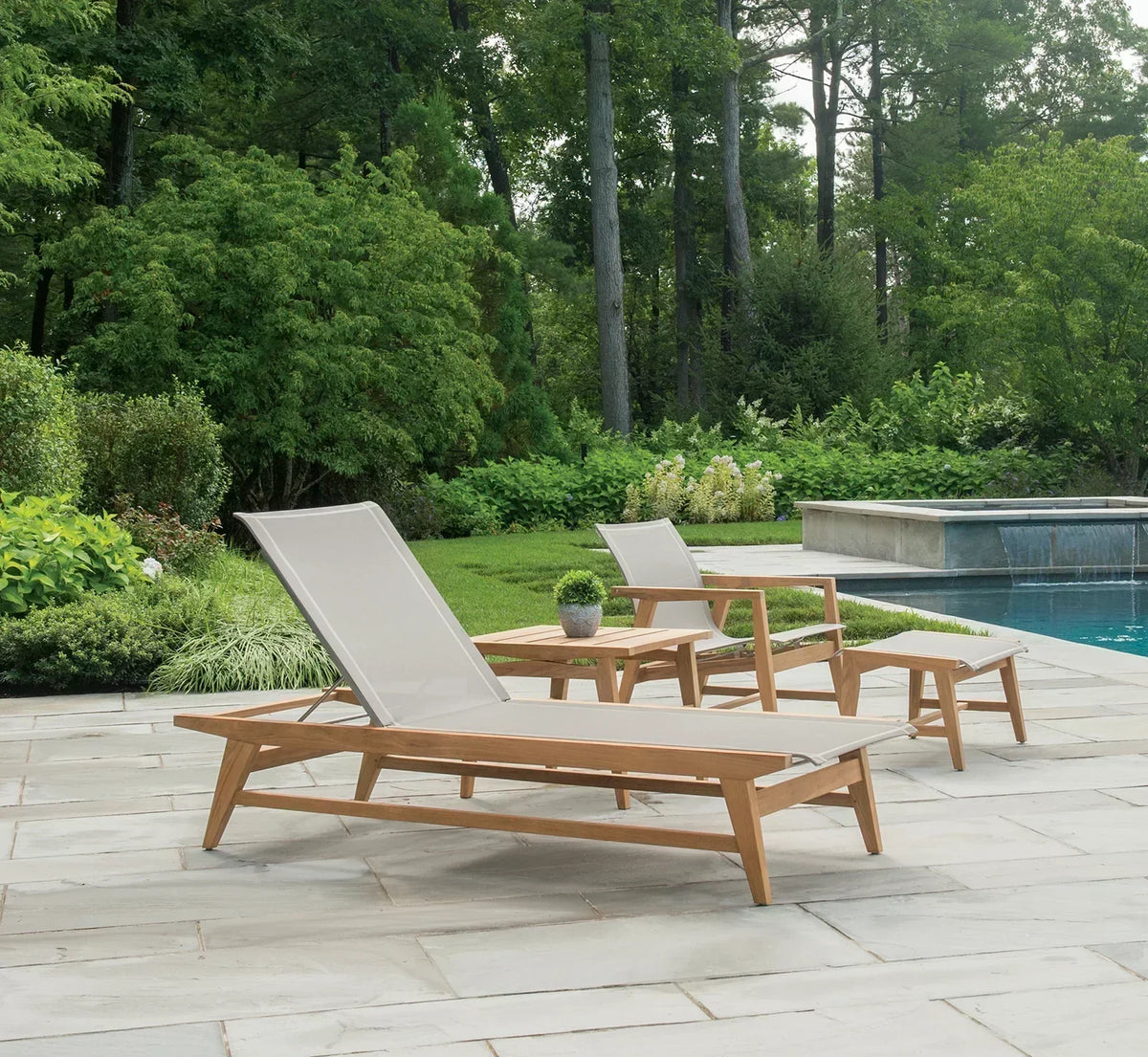
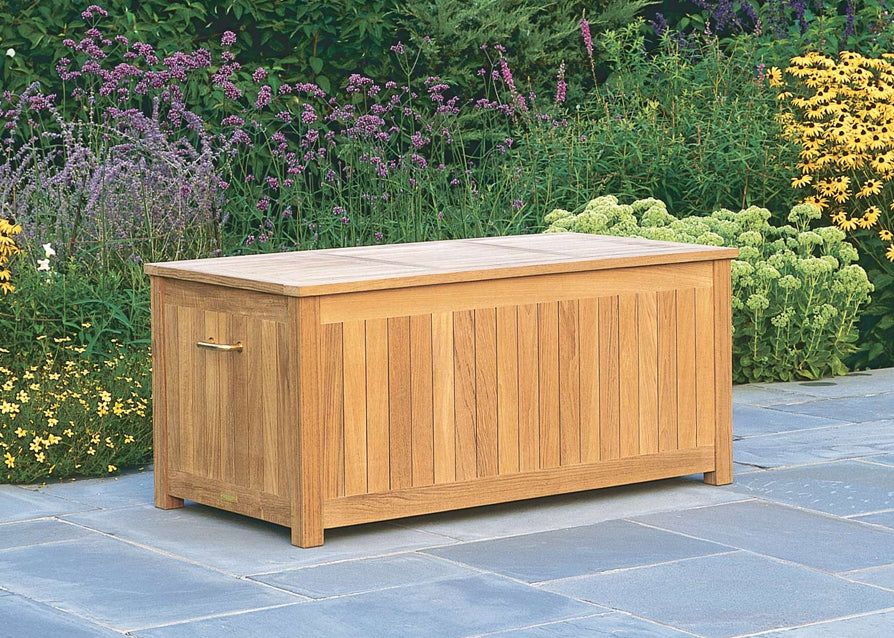
Teak's natural oils protect it from moisture from the inside out, which is why it's been a resort favorite for generations. Left untreated, it weathers to a silvery patina. If you'd rather keep its honey color, a cleaning and oiling each season will hold it there. Our Kingsley Bate collection is a beautiful place to see teak at its best.
Recycled poly lumber (weatherproof)
Poly lumber is made from recycled plastic formed into solid boards, with color that runs all the way through. It won't rot or splinter and never needs painting, so it's especially well suited to coastal homes and snowy winters. Trex Outdoor Furniture offers classic silhouettes in a range of colors. For a closer look at how poly compares to wood in one of our favorite shapes, see our Adirondack chair guide.
All-weather wicker (weather-resistant)
All-weather wicker is a synthetic resin fiber woven over an aluminum frame. It shrugs off rain and dries quickly, and it brings a relaxed, luxury texture that's hard to find in any other material. Years of strong, direct sun are its biggest challenge, so a cover in the off-season will keep the weave looking fresh far longer. We compare it with teak and aluminum in our guide to the best outdoor chaise lounges.
Powder-coated aluminum and metal (weather-resistant)
Aluminum won't rust, which makes it a natural fit near pools and the coast. The powder-coated finish is what gives it color and polish, and that finish is what benefits from a little protection. Wrought iron and steel are just as handsome outdoors, and keeping their finish intact is what keeps rust away.
Cushions and performance fabrics (weather-resistant)
Today's best outdoor fabrics resist fading and mildew, and many outdoor cushions use quick-dry foam that recovers from a passing shower in an afternoon. Even so, cushions last longest when they're stowed before a storm or at the end of the season. A set of premium cushions makes a patio feel finished and inviting, and a dry place to keep them means they'll be ready again next spring.

Other Labels to Read Closely
All-weather usually describes synthetic wicker or an entire collection built for outdoor use. It's a helpful umbrella term, so check which materials sit underneath it.
Water-resistant and waterproof mean different things on fabric. Water-resistant fabric sheds light rain and spilled drinks while still breathing, and waterproof fabric is coated to block water completely, which is ideal for covers.
Commercial-grade means a piece was built for the daily use of hotels and resorts. It's one of the strongest signals of durability you'll find on a label.
Caring for Both
Weatherproof pieces ask very little. Rinse them off in spring, clean them once or twice a season and let them be. For teak and Robinia, a hardwood cleaner made for the purpose, like Golden Care, lifts pollen and grime without harming the wood.
Weather-resistant pieces do best with a simple routine; a fitted outdoor furniture cover when a storm is coming or the season ends, and cushions tucked into a storage box between gatherings. It takes a few minutes and keeps everything looking the way it did the day it arrived.

Choosing What Fits Your Space
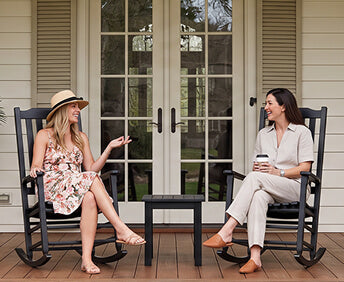
The most welcoming patios usually combine aspects of each. A weatherproof anchor, like a dining table or a pair of rockers, stays out through every season and gives the space its shape. Weather-resistant comfort layers in around it and comes and goes with the weather.
Your climate plays a part too. Coastal salt air and heavy snow favor weatherproof materials for the pieces that stay out year-round, while a covered porch or a mild climate opens the door to almost anything.
Whichever labels you choose, the goal is the same; a place your friends and family settle into and don't want to leave.

Frequently Asked Questions
Can weather-resistant outdoor furniture stay outside all year?
In a mild climate, often yes. Where winters are wet or freezing, covering it or bringing it inside for those months will keep it looking new for many more seasons. Cushions are the exception. No matter where you live, store them when they're not in use.
Can teak stay outside in winter?
Yes. Solid teak can stay out year-round, uncovered. It'll turn silver-grey unless you oil it.
What's the most weatherproof wood for outdoor furniture?
This is the question we get asked most. Teak has long been the answer, and it's still an excellent one. Robinia performs just as well, with a lifespan of 50 years or more even in damp climates, and it's grown in temperate forests rather than tropical ones. That's why we build our World's Finest pieces from it.
Do weatherproof pieces need covers?
They don't need them, but covers help in two situations. If you want to hold teak's golden color between oilings, a breathable cover slows the silvering. And under trees that drop sap or pollen, a cover saves you a cleaning.
Explore More