How Do You Care For Wooden Outdoor Furniture?
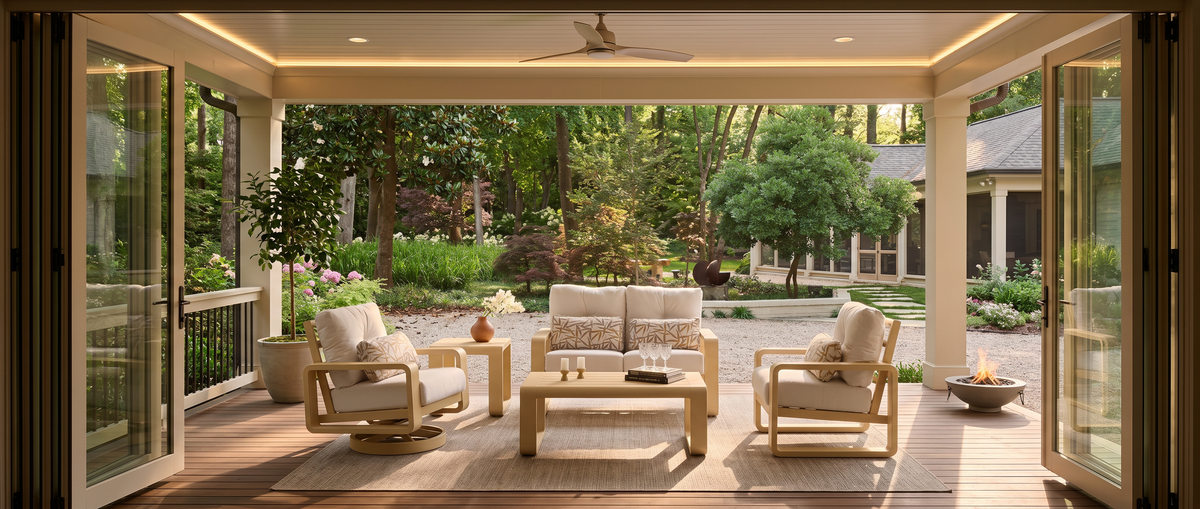
Beautiful outdoor furniture can transform a porch, patio or poolside into an oasis of relaxation, like a luxury resort. And how do luxury resorts (and discerning homeowners) accomplish that?
They start with high-quality, commercial-grade outdoor furniture, and then they take care of it. That care includes protecting it from the elements and animals, and following an easy annual cleaning routine. Those steps will increase the lifespan of your furniture and reduce maintenance and headaches to nearly zero.
Bottom line, there are four key factors in caring for wooden outdoor furniture:
Key Takeaways:
- Select high-quality weatherproof wood furniture
- Protect from sun and UV with furniture covers
- Avoid excessive moisture (much more important for non-weatherproof furniture)
- Clean and protect with teak care products
Select High-Quality Weatherproof Wood Furniture
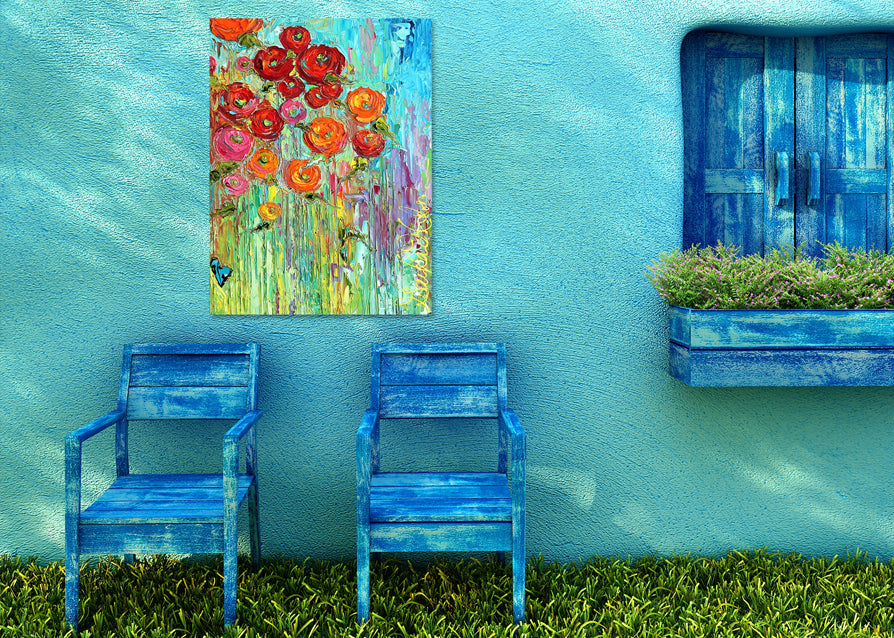
Robinia has the durability of teak and, unlike teak, can also be painted.
The most common reason so much "outdoor furniture" doesn't hold up outdoors is simple: it isn't made from weatherproof, or often even weather-resistant, wood. In fact, the biggest source of retail benches and rocking chairs is "big box" stores such as Home Depot and Lowe's, and most of those pieces are not made from weatherproof or weather-resistant wood. Instead, they use a cheap imported hardwood finished with paint.
Paint won't protect a low-quality wood from the weather. Not only does paint scratch and wear away (particularly a thin single coat), but water also seeps into every joint of the chair, where it can rot the wood within a few months.
If you plan to use furniture outdoors, make sure you're getting a high-quality weatherproof wood such as teak, Robinia, ipe or Brazilian cherry. If the type of wood isn't advertised, you can be quite confident it's not a weatherproof wood. For a closer look at how these labels differ, read Weatherproof vs. Weather-Resistant: What Furniture Labels Really Mean.

Weatherproof woods are more expensive and generally much heavier. They're also generally much stronger than non-weatherproof woods, and Robinia, ipe and Brazilian cherry are excellent examples. When it comes to weatherproof furniture, you get what you pay for: it may cost twice as much, but it will last five to 10 times as long. Cheap outdoor furniture often lasts only one to three years before breaking, sometimes with you or a loved one sitting in it. Caring for wooden outdoor furniture is a breeze when you start with high-quality furniture.
For an excellent example of how to identify high-quality outdoor furniture, read How to Find the Perfect Rocking Chair. And for a manufacturer of super-premium teak, look to Barlow Tyrie furniture of England.
Protect From Sun and UV With Furniture Covers
High-quality furniture covers will extend the lifetime of your outdoor furniture enormously.
Exposure to the sun's ultraviolet (UV) rays will cause your furniture to fade and its finish to degrade over time, often most dramatically in the first 12 months of ownership. Even weatherproof outdoor furniture ages in the sun. Generally, the color fades to a gray or light brown, depending on the wood.
Sunlight will also shorten the lifespan of weatherproof and weather-resistant furniture, although over a much longer period. So to maximize the life of any outdoor furniture, consider limiting its exposure to the sun. Moving furniture to a porch or garage in the off-season, or when you'll be away for an extended time, makes a real difference.
Or, choose weatherproof covers so you can leave your furniture right where it is. Outdoor furniture covers can seem expensive, but they'll keep your furniture looking new for years and can extend its life to one or two decades or more. And because they keep dirt, moisture, bird droppings and pets off your furniture, they cut your maintenance enormously by keeping it clean at all times. We strongly believe covers are one of the smartest investments in outdoor furniture care.

Avoid Moisture for Non-Weatherproof Furniture
Moisture damage occurs when liquid seeps into the grain of the wood, causing staining, bubbling, rot, peeling finish or, in the case of laminated wood, delamination. High-quality outdoor furniture is made to withstand moisture, but most wood, particularly less expensive wood, degrades as it goes through cycles of wet and dry: rain followed by sun, winter followed by summer.
These inexpensive, non-weatherproof woods expand and contract, and each cycle weakens joints and screws. This can be especially challenging in extreme heat or cold. Furniture in coastal areas also faces the sea breeze, and that salt can deteriorate both wood and finish.
Hopefully you chose premium weatherproof furniture, and if so, moisture isn't a big issue. Covers help here too, reducing water-related damage to both furniture and cushions when you're not using them.

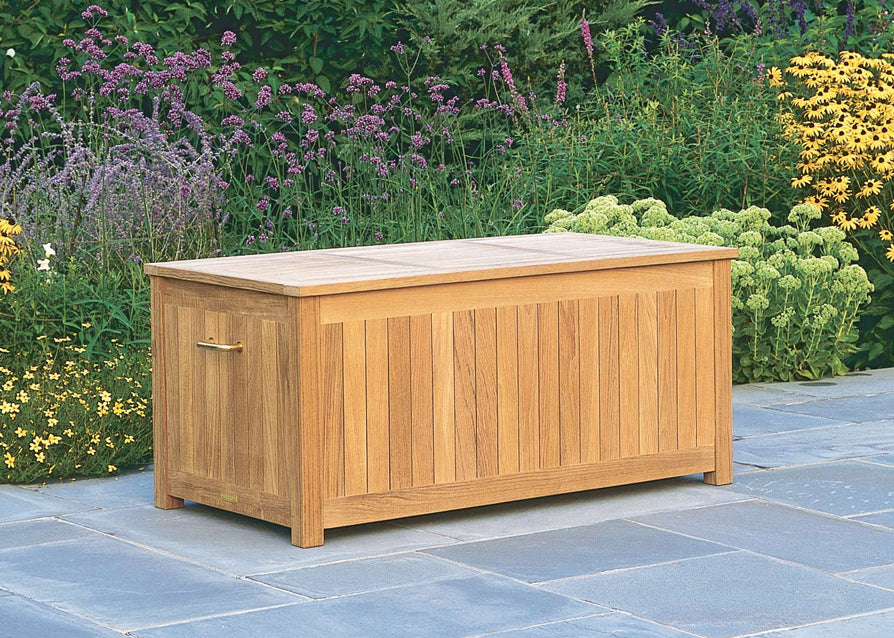
Sissinghurst Bench from Barlow Tyrie
Clean and Protect With Teak Care Products
Water-based cleaning and protection products from Frontera.
Step 1: Clean It
Any wood will weather over time and collect dirt and grime, so an annual cleaning is one of the most important parts of outdoor furniture maintenance. It keeps your furniture looking great and helps it last longer. At a minimum, use soap and water, although you'll get better results with professional wood care products. The best cleaning and protecting products for outdoor furniture are teak care products.
Because teak is so popular (and so expensive) for premium outdoor furniture, companies that sell teak furniture almost always sell wood care products too. But they'll work on any outdoor wood, including Brazilian cherry, Robinia, eucalyptus and acacia. So whether you make your own solution or use a professional teak and hardwood cleaner, the first step is the same: clean it every year!
Step 2: Protect It
This step is optional if you don't mind the wood gradually fading over time. It's largely an aesthetic choice.
There are two ways to protect your freshly cleaned outdoor furniture: with a protector product or with an oil. (And remember, a third option is simply to clean it each year and leave it at that.)
Protecting Outdoor Furniture With Teak Protector
The best way to keep outdoor furniture looking great and hold its original color longer is to apply a teak protector after your annual cleaning. The best protectors are water-based, which makes them safer to use, easy to clean up and better for pets and the environment. A protector isn't necessary unless you want to maintain that new look.
To apply, wait for the furniture to dry completely after cleaning. Then apply the protector with a good cloth. Quality teak protector is usually sold with one, and its absorbency and smoothness make the liquid easier to spread. Use it sparingly and aim for even coverage. As with any product you apply to quality furniture, test a small spot underneath first and let it dry, so you'll know exactly how it will look.

Protecting Outdoor Furniture With Teak Oil
You'll often hear people recommend applying oil (usually linseed oil or "teak oil") to outdoor furniture to maintain its new look. This has drawbacks, including more maintenance, which we'll cover below. But here's how it's done: wait until the wood is dry from cleaning, then apply the oil evenly with a rag. One coat is usually enough, but follow the directions on the bottle. Don't sit on the furniture until it's dry and you've wiped it down, since the oil can stain your clothes.
Teak oil gives the wood a deep luster and a darker tone (often reddish or orange), which can last for many months and, ideally, until your next annual cleaning. But…
Pro Tip: The Downside of Teak Oil Is Grime Buildup
The main problem with teak oil is that it tends to attract dirt and grime. Dust and air pollution settle on all outdoor furniture, but they stick to oiled wood far more than to untreated wood or wood finished with a protector. Oiled furniture can also attract mildew and mold, which can be persistent because the oiled surface stays damp. All of that means a tougher cleaning job the following year, and for those reasons, we don't recommend oiling outdoor furniture.
Frequently Asked Questions
How often should you clean wooden outdoor furniture?
Once a year is enough for most homes. If your furniture sits uncovered near the coast, under trees or around a busy pool, a quick rinse mid-season helps too.
What's the difference between teak protector and teak oil?
A protector is a water-based finish that holds the wood's color without leaving a sticky surface behind. Oil deepens the color, but it attracts dirt and mildew, which means more cleaning later. For low-maintenance outdoor furniture care, we recommend a protector.
Does Robinia furniture need to be oiled?
No. Robinia is naturally weatherproof, so it doesn't need oil to last. Leave it natural to weather gracefully, or use a water-based protector if you'd like to keep its original color. For rocker-specific tips, see our rocking chair care and maintenance guide.
Should you cover outdoor furniture in winter?
We'd recommend it. Teak and Robinia handle snow well, but months of freeze, thaw and trapped grime are hard on any finish. A breathable cover, or a spot in the garage, means spring starts with a quick wipe instead of a deep clean.
Summary
I hope these outdoor furniture care tips are useful. Remember, the weather is merciless! Start with high-quality furniture made from high-quality wood. Then extend its life and reduce maintenance enormously by covering it, or by moving it out of the elements during long stretches when it's not in use.
Even the best weatherproof furniture will fade and eventually degrade outdoors (not to mention get dirty and need cleaning). Investing in high-quality furniture covers means your furniture will need almost no maintenance and still look new for years. And finally, be sure to clean and protect any outdoor furniture that stays exposed to the elements every year. We recommend a quality water-based teak cleaner followed by a coat of teak protector if you'd like to keep that new color, and our teak cleaner and protector bundle pairs the two.
You made the right decision by buying premium outdoor furniture, and it isn't cheap! But with these easy steps, it will last for generations. Like your house or car, treat it as an investment.
You'll be glad you did.
Explore More