
Best Outdoor Chaise Lounges: Teak, Aluminum, All-Weather Picks
TL;DR: Choosing an outdoor chaise lounge depends on personal style, your local weather and how you intend to use it. Teak is the piece you keep for life. Aluminum can handle the salty air on the coastline. All-weather wicker gives you a resort look. This guide walks through each, the design details that matter and the picks we recommend most for a chaise that’ll get used every summer.
A great chaise lounge is one of the small luxuries of a well-designed outdoor space.
You lie down, the sun warms your legs, the chair holds you at exactly the right angle and the afternoon stretches out.
At Frontera, we've spent over three decades helping people choose outdoor chaise lounges that hold up like heirlooms and live like the ones you remember from a great vacation. What follows is how we think about picking the right one.
Material is the biggest variable in choosing the right chairs for your outdoor space.
Teak: The Chaise You Keep Forever
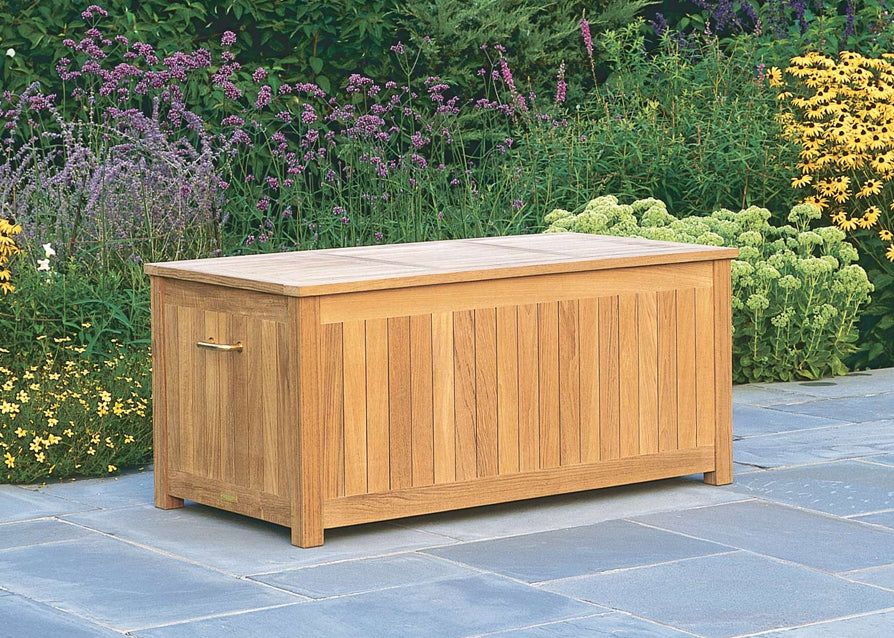
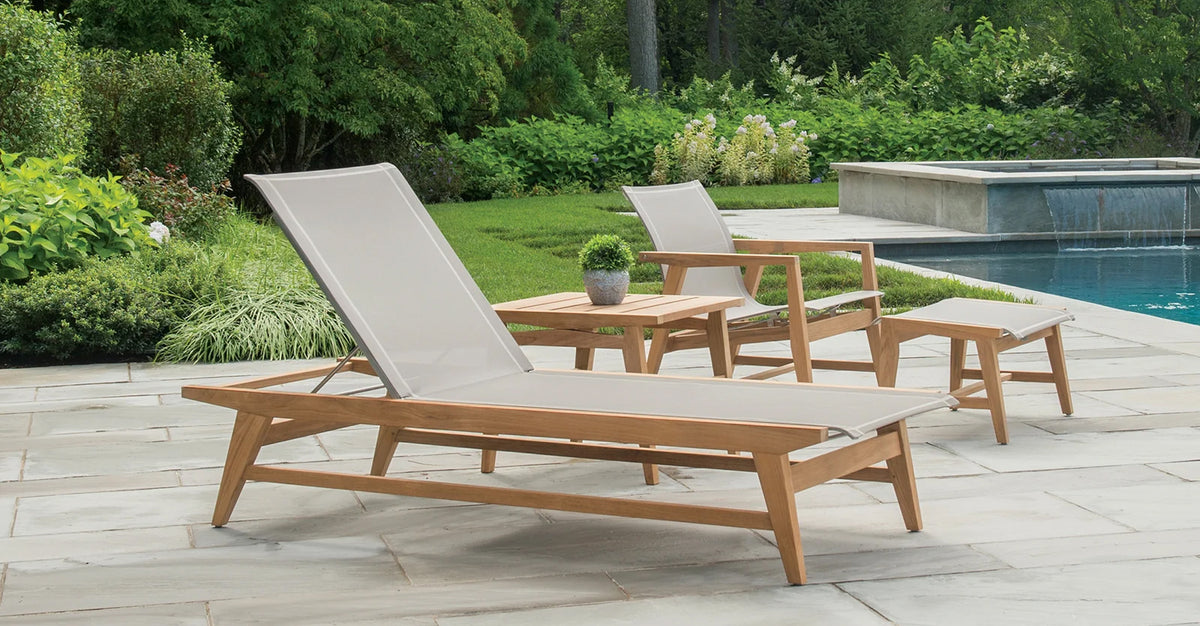
Teak is the resort standard for a reason. The wood is dense, oil-rich and resistant to rot, and a well-made teak chaise will still be in your yard in thirty years. Left natural, it weathers to a soft silver gray. Oiled once a season, it holds its warm golden tone.
Teak chaises are heavier than aluminum or wicker, which is part of what makes them feel intentional. A teak chaise stays where you put it in a strong wind, doesn't slide when you sit down and has the visual weight of a real piece of furniture. Kingsley Bate and Barlow Tyrie are two makers we've stood behind for decades — their teak chaises are the ones you'll still love when your kids inherit them.
The tradeoffs are honest. Teak is the most expensive of the three materials, and if you leave it uncovered through a hard winter you'll want to check the joints in the spring. Neither is a dealbreaker for a piece you plan to keep for a lifetime.

Aluminum: The Coastal and Modern Choice
Aluminum is the right choice for coastal homes, rooftop decks and any outdoor space where salt air or humidity would slowly eat at wood. Powder-coated aluminum chaises are lighter than teak, resist rust and rarely need more than a hose rinse to look new again.
The look is different. Where teak reads traditional and warm, aluminum reads modern and sculptural. Frames come in white, black, taupe and increasingly in soft matte finishes that recede into a landscape rather than announcing themselves. Woodard and Emu are two makers we recommend often for aluminum lines built to hold up like commercial hospitality furniture.

All-Weather Wicker: The Resort Look
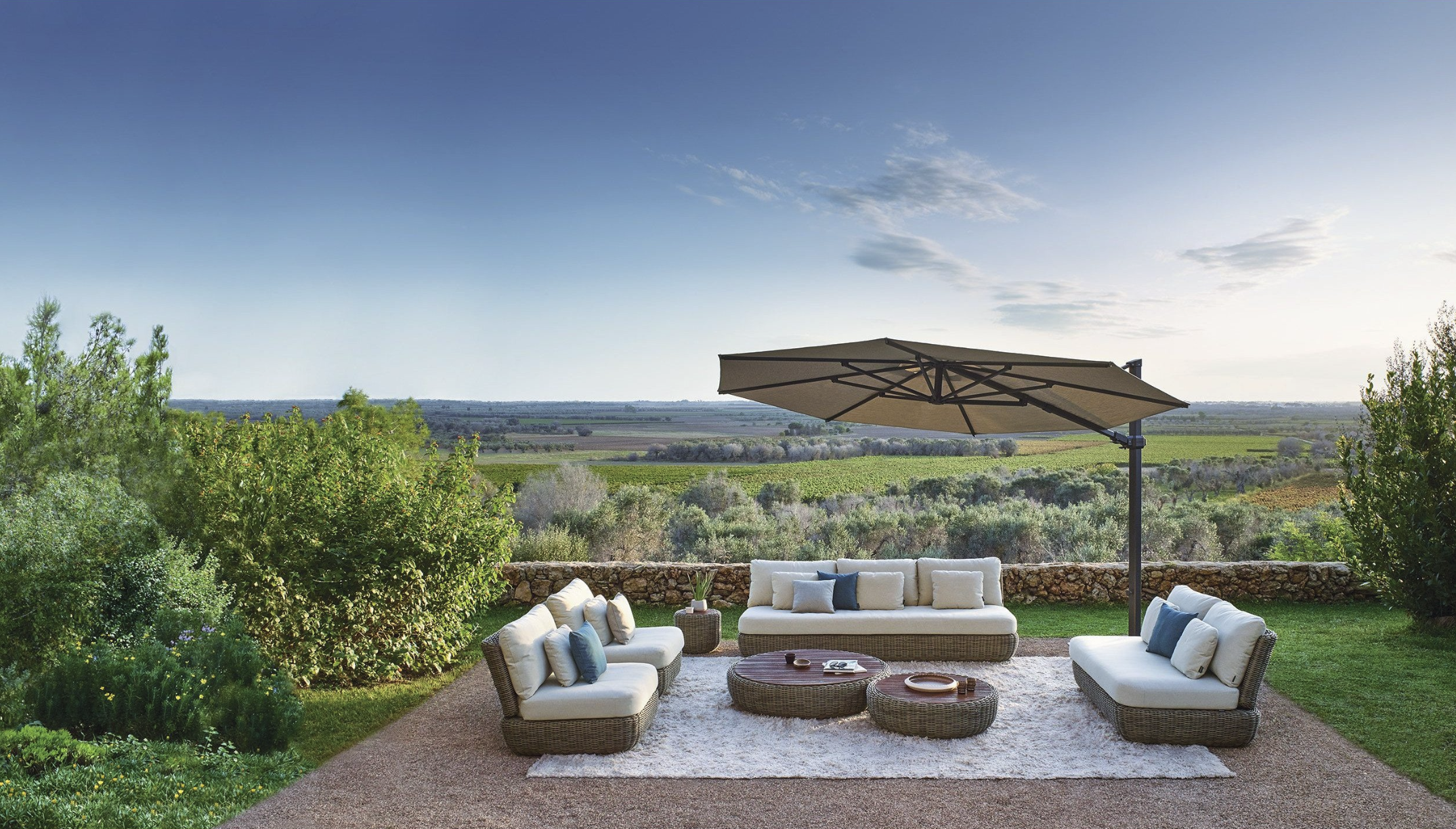
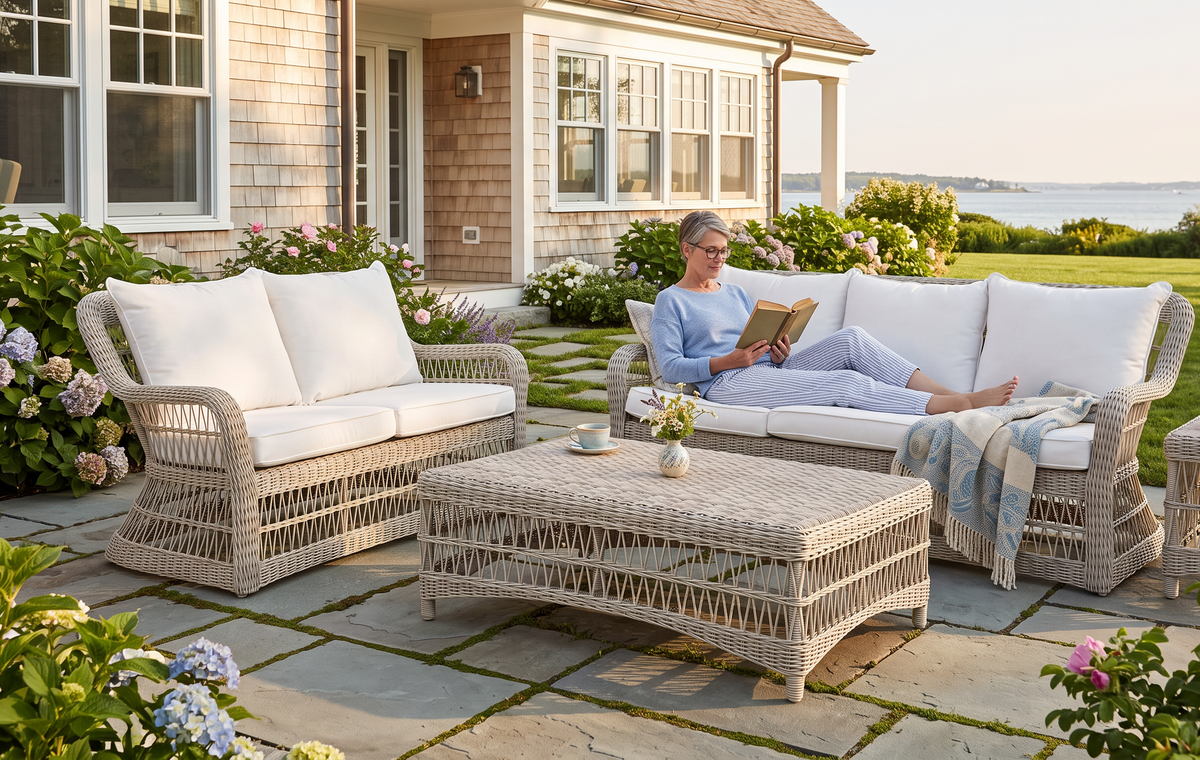
All-weather wicker chaises are what you notice at the pool decks you remember from a great vacation — deep, cushioned, sculptural and remarkably comfortable for hours of use. The "wicker" is actually a synthetic resin woven over an aluminum frame, so you get the classic resort aesthetic without the fragility of natural wicker.
Kingsley Bate's Sag Harbor collection is one of the most-recognized examples. The chaise is soft-edged, deep enough to nap in and finished in a resin weave that holds up to sun, chlorine and rain. It's the piece that gets ordered when a client wants their backyard to feel like the resort they just got back from, and the piece their friends and family actually want to spend the weekend around.

Small Design Details That Matter
Beyond material, a few small design details separate a chaise you'll actually use from one that becomes decorative.
Adjustability. A good chaise has a back that adjusts through at least four positions: flat for napping, semi-upright for reading, upright for conversation. Anything less range and you're really buying a beach chair.
Wheels. Most quality chaises have small wheels at one end. It's an easy detail to overlook. But being able to reposition the chaise as the sun moves through the afternoon changes how much you actually use it.
Arms. A chaise with proper arms is a chaise you can rest a drink on. A chaise without arms is a chaise you're always hunting for a side table for.
Length. Real chaises are 75 inches long or more. Anything shorter and taller guests will hang off the end. Measure before you buy.
Cushion depth. A cushion less than three inches thick is a cushion you'll feel the frame through by hour two. Look for cushions in the 3-to-5-inch range, in solution-dyed acrylic fabric that won't fade in a single summer.

Where to Put It
A chaise's placement is the difference between a piece you love and a piece you look at. Two principles help.
Angle it toward something worth looking at. The pool. The garden. The far edge of the property. A chaise pointed at the back of the house is a chaise that doesn't get used.
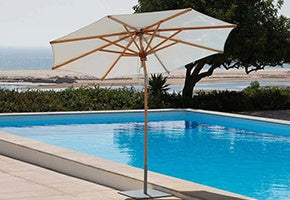
Give it partial shade. A chaise in full sun works for an hour. A chaise with an umbrella overhead or a pergola nearby works for four. If you're setting up a pair or a row of chaises, plan the shade at the same time as the chair.
Frequently Asked Questions
What's the best material for an outdoor chaise lounge?
There isn't one right answer, but the trade-offs are clear. Teak is the most beautiful and the longest-lasting, and also the most expensive. Aluminum is the easiest to live with and the best coastal choice. All-weather wicker gives you the resort look and the most consistent comfort across long afternoons. If you're buying one chaise for life, teak. If you're on the coast, aluminum. If you want the piece that photographs like a five-star hotel, wicker.
How much should a good outdoor chaise cost?
Between $800 and $2,500 for a chaise built to last more than a decade. Below that and you're usually buying a piece that'll need replacing in three to five summers.
How do I keep an outdoor chaise looking new?
Rinse it with a hose every few weeks in summer. Cover it during winter storage. That's most of the routine, assuming you bought a chaise made of the right material for your climate. Teak wants an occasional oiling if you're trying to preserve the golden tone; skip that and it'll go silver, which is also beautiful.
Are wheels on a chaise lounge worth it?
Yes. Overwhelmingly yes. Everyone we've ever sold a wheeled chaise to has told us it changed how they use it. Everyone we've sold a non-wheeled chaise to has eventually asked if we sell one with wheels.
Can I leave outdoor chaise lounges out all year?
Depends on the material and the winter. Teak, powder-coated aluminum and all-weather wicker all handle year-round outdoor storage in most US climates — but the cushions never do. Bring cushions inside. Cover the frames if you're in a hard-freeze zone. That's the extent of it.
Bring the Resort Home
A good chaise lounge is one of the most-used pieces of outdoor furniture you'll ever own: a place for the reading you finally get to, the afternoons that stretch, the slow hour after lunch that only exists outside. Frontera has spent over three decades helping design the outdoor collections built for exactly this. From teak chaises that outlast the person who bought them to aluminum pieces that handle the ocean without complaint, what we carry is what we'd put in our own homes.
Explore More