Backyard Games: How to Design a Play Area Guests Won't Want to Leave
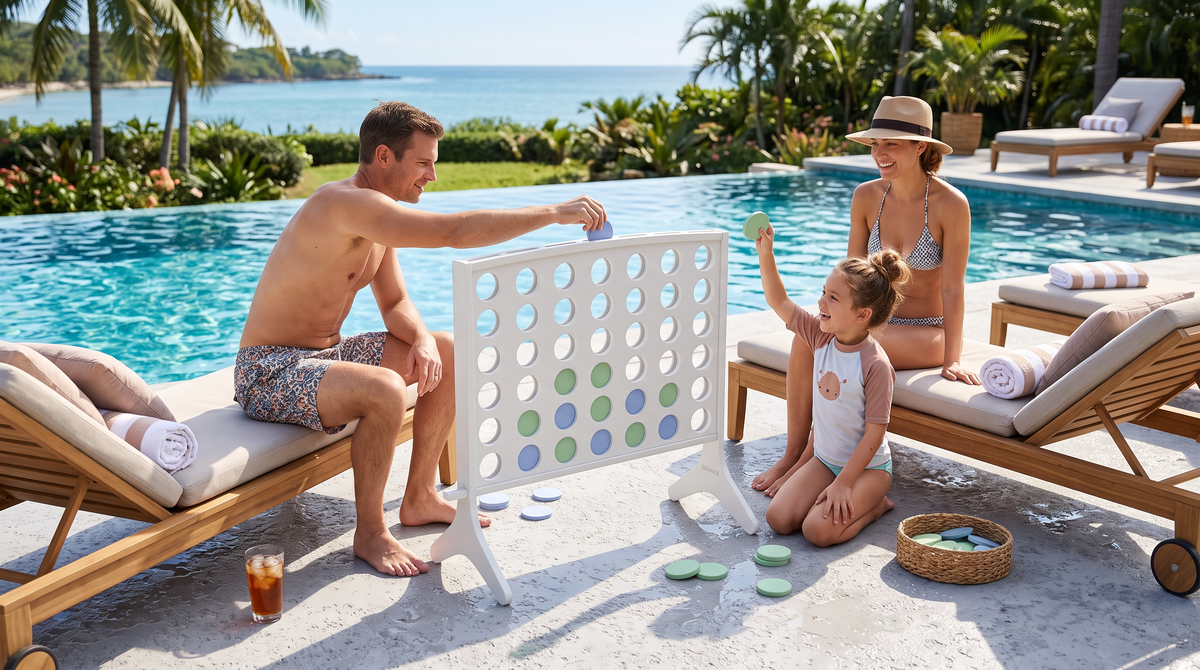
TL;DR: A well-designed backyard game area is one of the few parts of an outdoor space that gets used on ordinary weeknights, not just when you're hosting. Great outdoor games like cornhole, foosball, shuffleboard, chess and bocce sit at the center of it, surrounded by comfortable seating for the people watching and waiting their turn. This guide walks through which games to choose, how to pick pieces built for outdoor use and how to arrange a game area friends and family use year after year.
Design a Backyard Everyone Wants to Play In
The best backyards feel like an invitation. Friends and family drift outside without needing a reason, afternoons run longer than planned, and the yard becomes the corner of the property everyone gravitates toward. That kind of backyard doesn't happen by accident — it gets built for fun.
Frontera has spent thirty years designing outdoor furniture for people who actually live outside, and our outdoor games collection follows the same standard. Every piece is built for real use — years of sun, rain and the occasional spilled drink.

Let the Games Begin
Competitive groups tend to gravitate toward outdoor foosball and table tennis. Both move fast enough to keep a crowd standing around the table, and both have a way of becoming the story everyone tells about the night, often because of a disputed win.
Quieter households, or gardens built more for conversation than competition, do better with a chess table or a run of shuffleboard. These are games measured in minutes rather than seconds, the kind you play with a drink in hand and no real rush to finish.
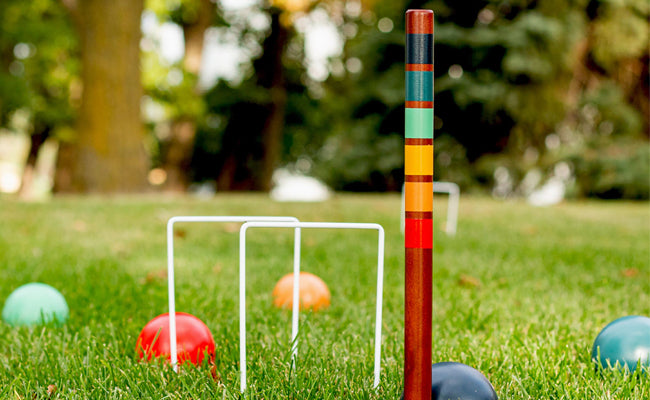
If the guest list spans grandparents to toddlers, lean on the classics. Cornhole, bocce and lawn games close that gap without anyone needing the rules explained, and they pack away small enough that the yard doesn't need to be built around them permanently.
Pool owners have an easy win a lot of people overlook. A basketball hoop mounted at the edge can keep a kid entertained in the water for two hours without a screen in sight, and a floating ping pong set turns an ordinary pool afternoon into the thing guests bring up the next time they're over.
Choose Games Made For the Outdoors
The most common mistake is buying something meant for a basement or a sunroom and expecting the yard to treat it kindly. A standard indoor ping pong table delaminates after the first real rain. A wooden chess set left in direct sun cracks by August.
Games built for outdoor use are made differently. The frames are powder-coated instead of painted, and the surfaces are marine-grade laminate instead of the particleboard you'd find in a basement table. RS Barcelona and Ledge have built their names on exactly this, games sculptural enough to double as patio decor and sturdy enough to leave out through a full season without a cover.
At the top of the category are the concrete game tables, cornhole boards, chess tables and ping pong tables. They're heavy enough to anchor a patio on their own and built to outlast almost everything else on it.

Give The Games Room to Breathe
In a lot of backyards, the game ends up wherever there's a gap in the yard. Give it real boundaries instead, the way a resort would, and it reads as a room rather than a leftover corner.
A foosball table needs at least four feet of clearance on every side for players and spectators. A table tennis table needs six feet past each end, more if anyone plays with real spin. Cramped games get abandoned fast, no matter how nice the piece is.
Ground the space, even a modest run of pavers, decking or turf, and the games area separates itself from the rest of the lawn. Pull a small cluster of lounge seating up to the edge, three or four chairs angled toward the action, and it stops being something people walk past and becomes somewhere they sit down.
Light the Space for Evening Play
String lights overhead give the space a kind of ceiling and keep it visually contained after sundown. Landscape lighting along the edges keeps anyone chasing a stray cornhole bag or ping pong ball from stepping somewhere they can't see. For faster games, foosball especially, a brighter, more direct light over the table matters more than ambiance.
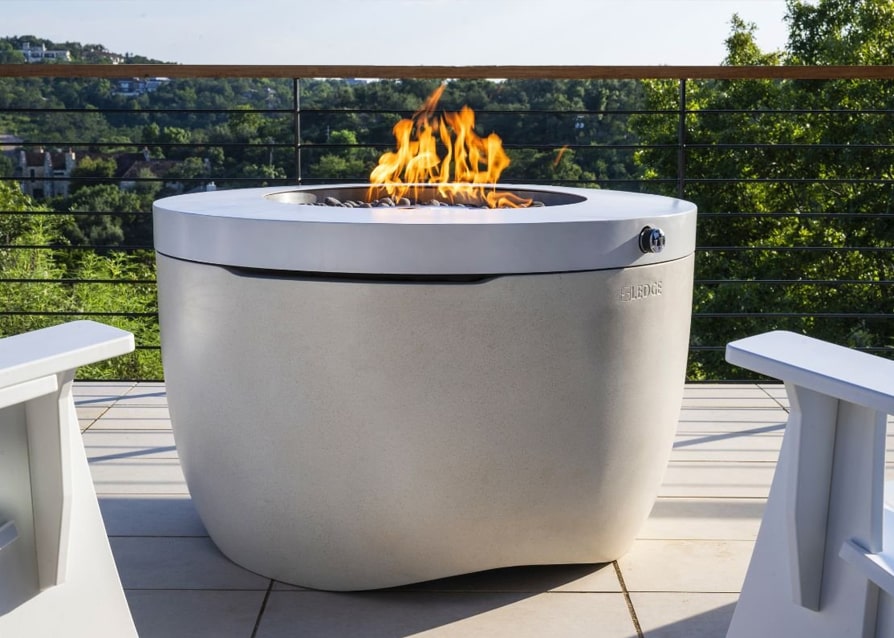
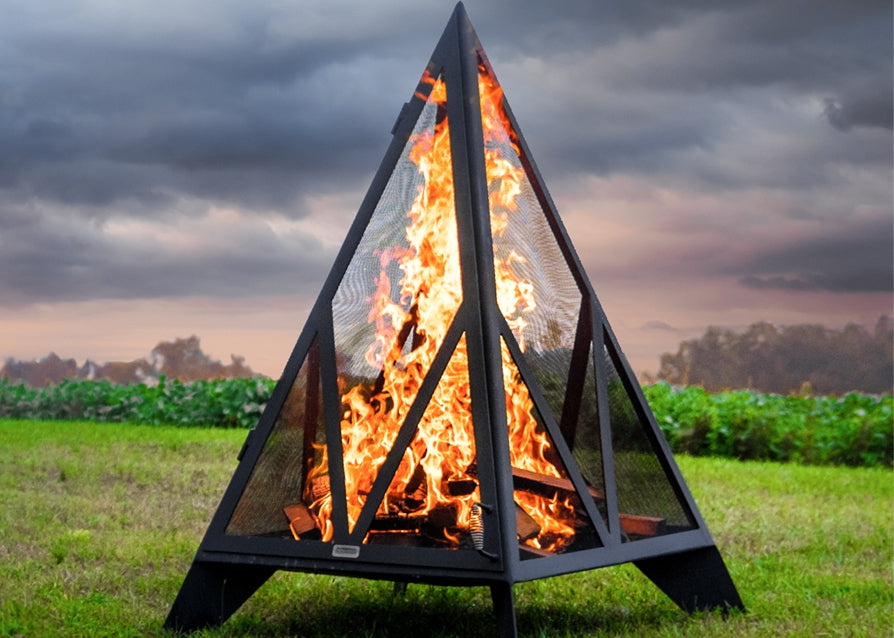
A fire feature near the seating area gives the group somewhere to drift toward once the boards get put away, and if your climate runs cool in the evenings, this is also the detail that decides whether guests head inside at eight or stay until eleven.

Games That Act as a Statement Piece
The easiest way to keep a games area from looking like an afterthought is to choose pieces that hold their own as furniture. A concrete chess table works as a side table on the nights nobody's playing. A table tennis table set near the dining area doesn't look out of place next to it. A run of shuffleboard along a pool deck looks finished even when empty.
Buy the piece you'd want to look at even on the nights it doesn't get used.
The Small Things
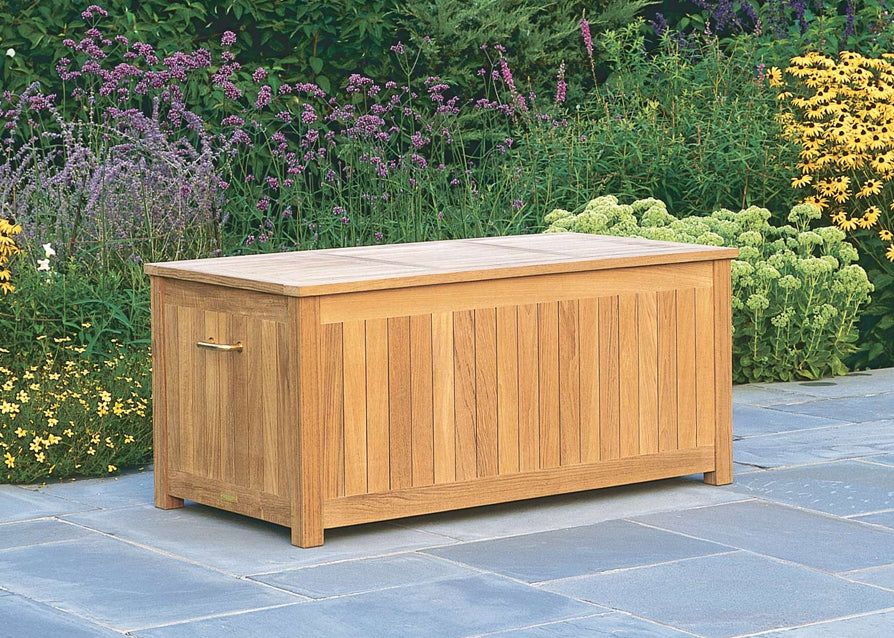
A storage box for paddles, bags and cue chalk keeps the space tidy and means no one has to run back to the house mid-game. A side table within reach of the seating holds a drink so it isn't balanced on the arm of a chair or set down in the grass.
A scoreboard helps too, even an informal one. A chalkboard by the fence, a running tally kept in a notebook on the side table, whatever actually gets used. Keeping score is half of what makes a game worth playing again.

What Keeps People Coming Back
The games that turn into tradition, the standing Saturday foosball match, the chess game two friends have been promising to finish for years, usually have less to do with the equipment and more to do with the space. A comfortable spot to play gets used again. A cramped or awkward one doesn't, no matter how nice the table is.
That's what a well-designed games area really gives you. Friends and family keep finding a reason to come back to it, whether or not a single game gets played that day.
Explore Frontera's full collection of outdoor games, built to hold up outside and handsome enough to stay out all season.
Bring the resort home with Frontera™
Frequently Asked Questions
What's the best outdoor game for a small backyard?
Cornhole. It only needs about 10 by 30 feet of clearance and packs away completely when it's not in use.
Can outdoor game tables stay outside through winter?
Most pieces built for outdoor use, powder-coated frames, marine-grade laminate, concrete, are rated for it. That said, freeze-thaw cycles are hard on any laminate surface over years, so a breathable cover during the coldest stretch of winter extends the life of a table tennis or foosball top even when the manufacturer says it isn't required.
How much space do I actually need for a games area?
This is the question we get asked most, and the honest answer is that it depends on the game. A foosball table needs roughly 4 feet of clearance on each side, table tennis closer to 6 feet past each end, and cornhole just needs a clear lane about 30 feet long. Measure for the specific game before assuming the yard's too small.
Is an indoor foosball or ping pong table really that different from an outdoor one?
Yes. An indoor table uses particleboard or MDF surfaces and untreated frames that warp or rust within a season outside. Outdoor tables use marine-grade laminate and powder-coated steel specifically because the materials underneath are different, not just the paint job.
Are concrete game tables worth it over wood or laminate?
If the table's staying outside permanently, concrete is close to maintenance-free and effectively weatherproof. It costs more upfront and it's not going anywhere once it's placed, so it's a better fit for a table you know will live in one spot for years than for a games area you might want to rearrange.
Explore More